Why Learning Basic Probability Demystifies Long Shot Jackpot Odds
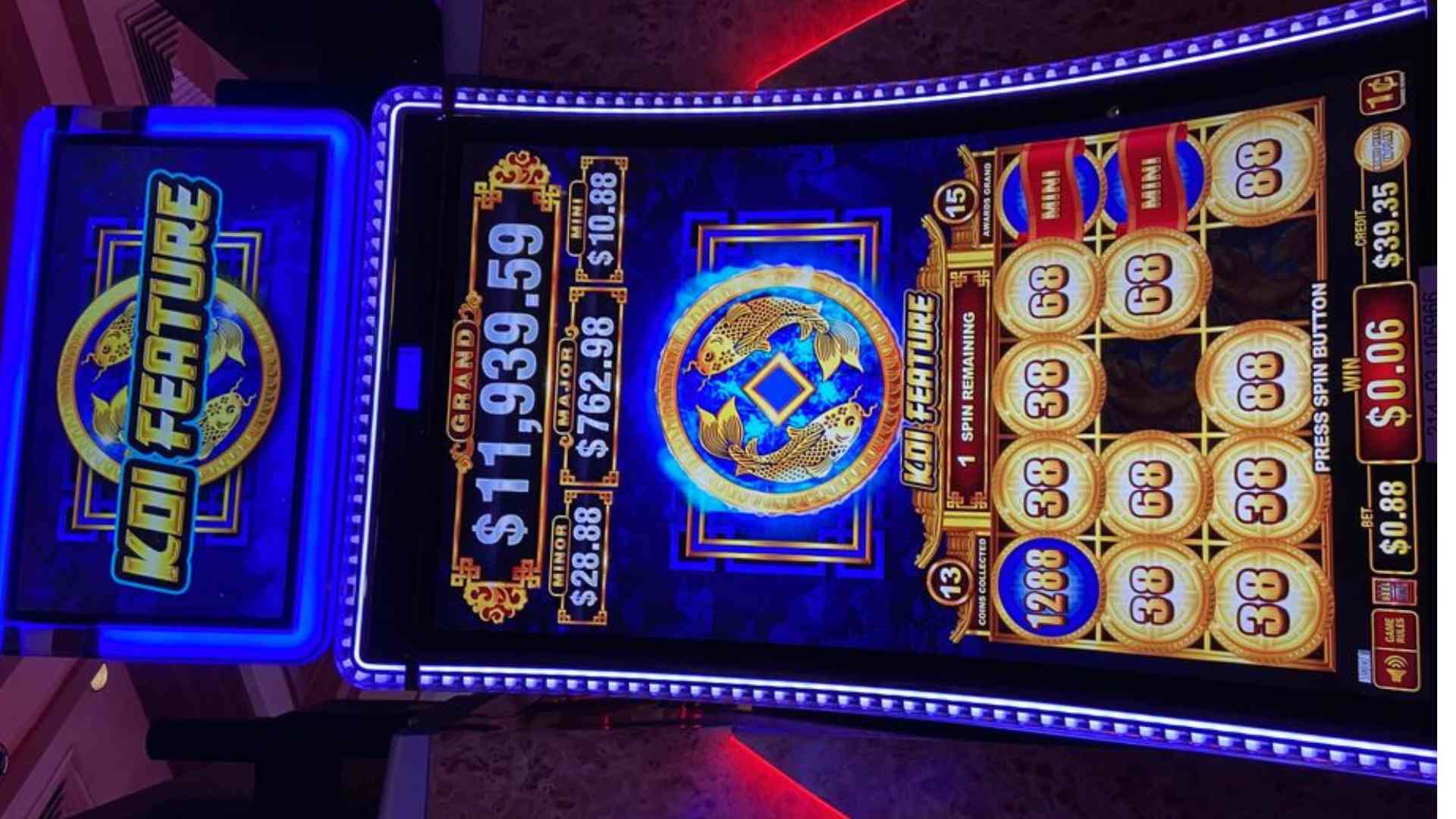
Massive jackpot figures frequently capture public attention, inspiring millions of participants to imagine life-changing outcomes. However, the true mathematical scale behind these prize draws remains abstract to most people. Understanding fundamental probability concepts offers a grounded perspective, converting astronomical figures into clear logical terms.
The Math Behind Multi-Digit Combinations
Large jackpot games rely on combinatorial mathematics to generate millions of unique numerical sets. When players select a series of numbers from a broad pool, every added digit exponentially expands the total quantity of possible outcomes. This mathematical structure guarantees that matching every single digit becomes an extraordinary rarity.
By calculating the total number of combinations, individuals can visualize their actual standing within a massive statistical field. Recognizing how rapidly potential outcomes multiply helps strip away the illusion that certain numbers carry better intrinsic chances than others. Math proves that every unique sequence possesses the exact same mathematical likelihood during a random selection.
Overcoming Cognitive Biases in Chance Games
Human intuition is naturally flawed when processing extremely large numbers and random distributions. People tend to focus heavily on the size of a prize while subconsciously discounting the extreme improbability of winning it. This psychological tendency often leads to misplaced optimism during major drawing events.
Learning elementary probability helps counteract common fallacies, such as believing a non-winning streak makes a future win more imminent. Each drawing functions as an independent event unaffected by previous results. Grasping this reality encourages a healthier mindset focused on reality rather than emotional expectation.
Evaluating Real-World Risk and Expectations
Analytical metrics like expected value help individuals measure the rational return on any probabilistic choice. By multiplying potential rewards by their exact likelihood, one can easily see the long-term mathematical reality of repeated entry. This calculation consistently demonstrates why long-shot prizes favor the overall system design rather than individual participants over time.
Gaining foundational mathematical literacy transforms how people view numerical entertainment. Instead of relying on lucky charms or complex pattern-tracking routines, informed individuals evaluate these activities with objective clarity. This balanced perspective supports smarter personal decisions and healthier financial boundaries.
Cultivating Informed and Responsible Participation
Demystifying probability does not eliminate the fun of participating in seasonal or periodic draws. Instead, mathematical awareness equips individuals with realistic expectations, ensuring that casual involvement remains lighthearted. Knowledge serves as an effective safeguard against impulsive behavior driven by distorted odds perceptions.
Ultimately, a basic foundation in probability transforms confusing figures into intuitive knowledge. Recognizing the true nature of rare events allows enthusiasts to appreciate the mechanics of modern draws without falling for common misconceptions. Mathematics provides the clarity needed to keep casual entertainment safe, transparent, and enjoyable.