Lottery Dream Numbers for Today: Exploring Popular Number Selection Traditions
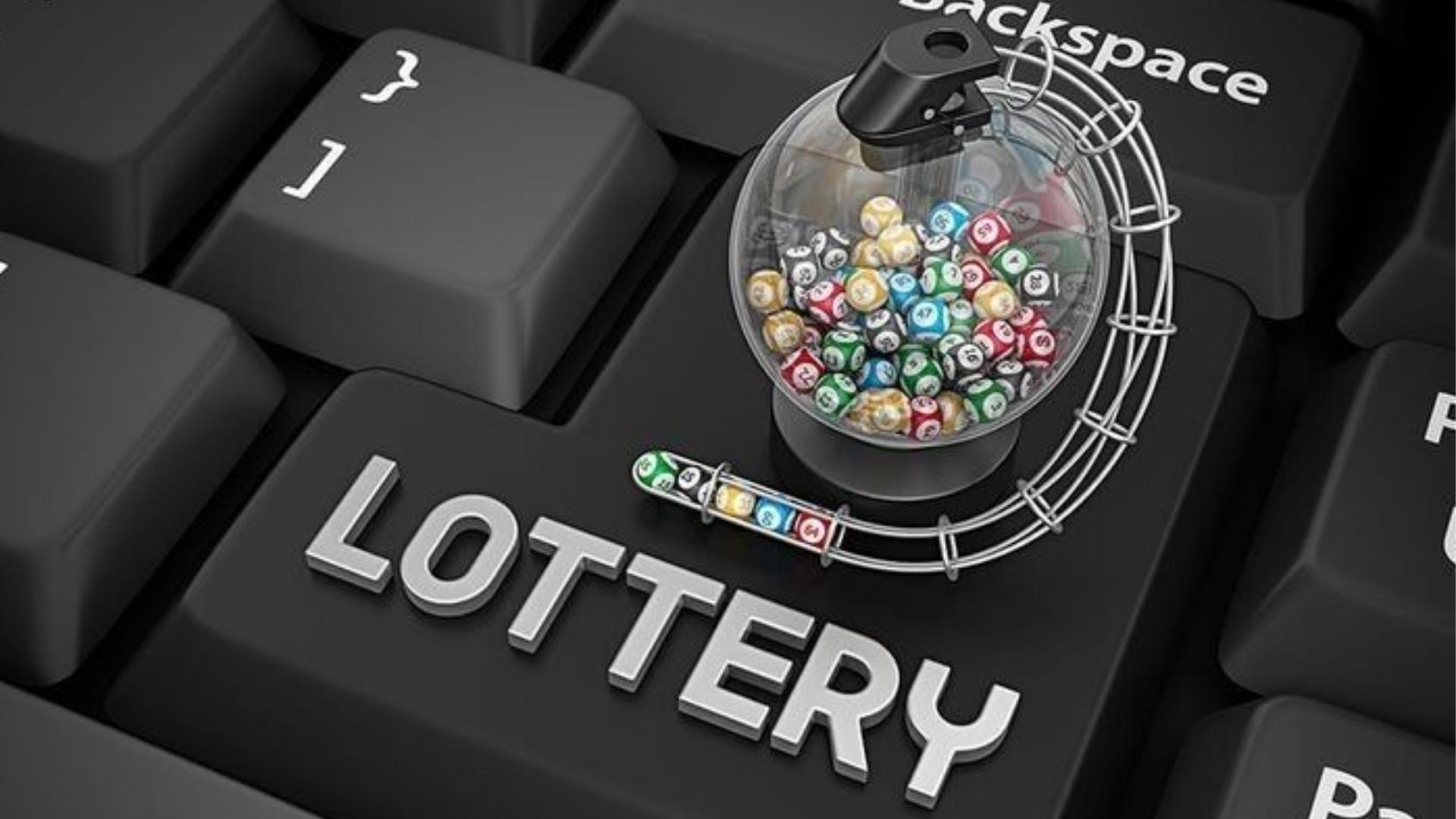
For centuries, lottery players around the globe have looked toward nighttime visions to help guide their choice of digits. Interpreting dreams as numeric signals remains a fascinating blend of folklore, psychology, and personal intuition. Exploring these traditional systems reveals how deep-seated cultural beliefs shape the ways people interact with games of chance today.
The Origins of Dream Books and Number Guides
The practice of converting imagery into specific digits dates back to ancient civilizations. Over time, publishers compiled these associations into standardized guidebooks that cataloged thousands of common sights and scenarios. Today, modern enthusiasts still consult updated versions of these traditional reference books when choosing their tickets.
Many historic translation systems rely on alphabetical associations or symbolic metaphors. For instance, dreaming of water might correspond to a specific set of digits, while seeing an animal points to another. These established guides provide structured meaning to abstract subconscious experiences.
Cultural Perspectives on Symbolic Dreams
Different regions across the world have developed unique frameworks for interpreting nighttime visions. In various European cultures, specific events like weddings or historical occurrences carry distinct numerical values. Meanwhile, Asian cultures often emphasize phonetic similarities between spoken numbers and lucky words.
These traditions demonstrate how cultural storytelling influences decision-making in everyday life. While some people view dream translation purely as lighthearted fun, others approach it as a meaningful ritual. Just as sports fans analyze bonuses like 体育奖金 m88 for gaming insight, lottery participants use dream books to add personal strategy to their choices.
Psychological Drivers Behind Dream Interpretation
Psychologists suggest that finding patterns in random imagery fulfills a basic human desire for control. When people experience vivid dreams, their minds naturally attempt to organize those memories into actionable ideas. Translating subconscious thoughts into lottery digits gives players a sense of personal connection to their entry.
Furthermore, using meaningful dates or dream symbols provides emotional comfort compared to automated quick picks. Even though drawn numbers remain entirely random, selecting combinations tied to personal experiences makes the process far more engaging. This psychological connection explains why dream-based selections continue to thrive across generations.
Modern Approaches to Daily Selection Traditions
In the modern digital age, online platforms and mobile applications have streamlined traditional dream interpretation methods. Players can now search digital databases by typing in key phrases from their morning memories to receive instant number suggestions. These online tools merge historical folklore with modern technology for maximum convenience.
Despite these technological updates, the mathematical reality of draw games remains unchanged. Every number combination carries an identical probability of being drawn regardless of its origin story. Viewing dream numbers as an entertaining ritual allows participants to enjoy the tradition responsibly.